Vision
A nation where all people have hope to education, health, and opportunities.
About us
Acred Hill of Hope is a registered Ugandan NGO, founded in 2020 in Mukono, working so that every person has hope for education, health and opportunity.
How it began
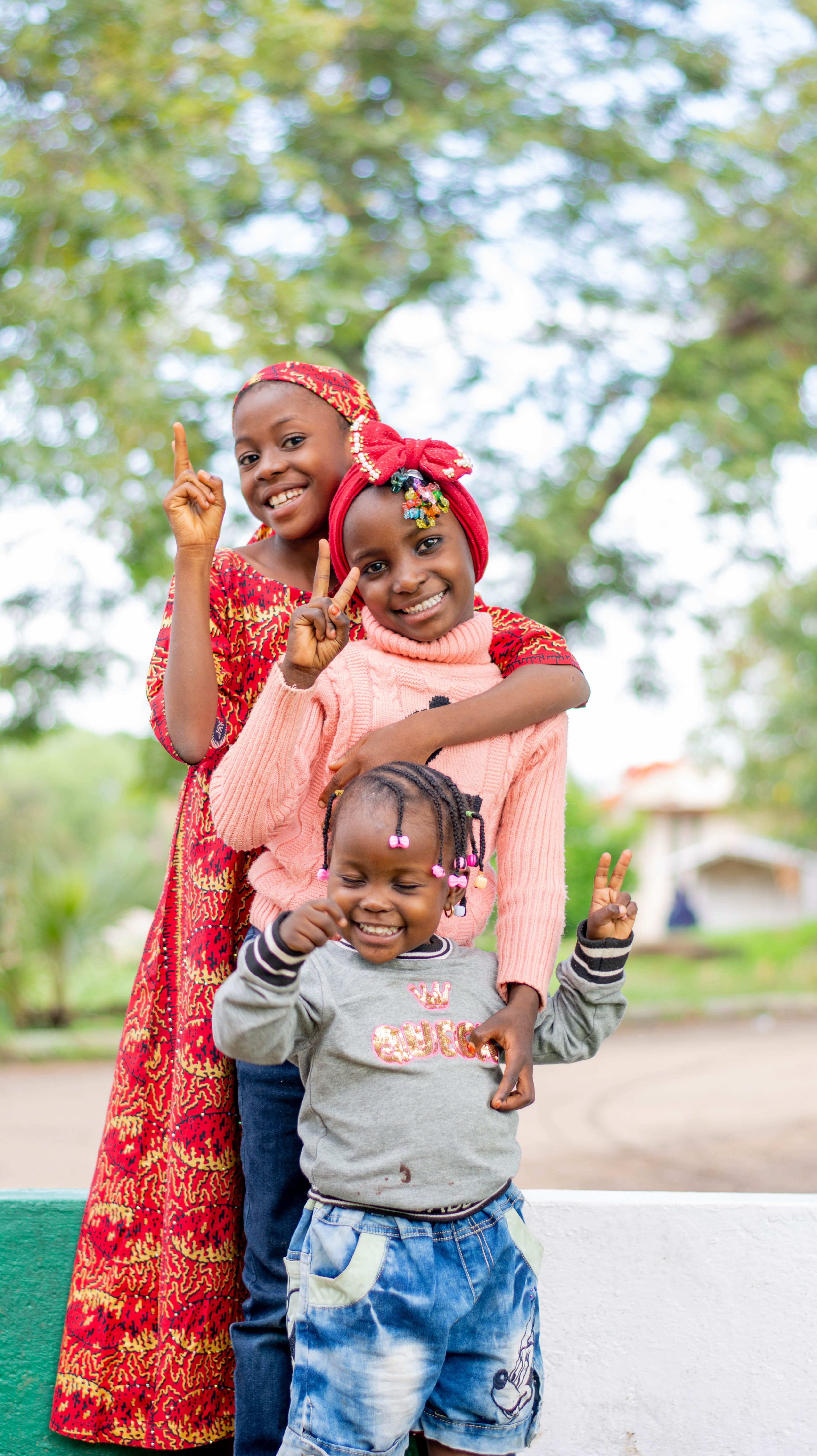
We began with people who refused to look away.
In 2020, concerned citizens came face to face with many vulnerable families in Uganda. What they saw was not a problem to admire from a distance. They decided to act.
Acred Hill of Hope was registered under Ugandan law with the NGO Registration Bureau. Our head office is in Mukono, at Seeta in Goma Division, and our work reaches communities in central and eastern Uganda.
We hold a simple conviction: poverty is made by people, so people can overcome it. That belief shapes every programme we run and every partnership we build.
Sometimes it falls on a generation to be great.
Our journey
A few years, a clear plan and a longer road ahead.
Our compass
Four short statements we measure our work against.
A nation where all people have hope to education, health, and opportunities.
To inspire hope, educate, skill and promote health services to the vulnerable communities.
To strengthen the psychosocial well-being of vulnerable persons, families and communities through supportive relationships, basic needs, and economic and social resources.
To create a bridge for the future generations.
Core values
What we hold ourselves to, in the way we treat people and use resources.
Tap a card to see what it looks like in practice.
Strategic Plan 2023–2028
We name the barriers, act on them together, and track what shifts.
Building our governance, systems and people so Acred Hill of Hope can deliver reliably and grow with accountability.
Bringing community experience to decision-makers so that education, health and social services reach those who need them.
Helping families and women build income and security, and linking them to protection when shocks hit.
Who we serve
Our work starts with people, and with what they already hold.
From early childhood onward, we work with children and the households that raise them, so progress at home supports progress at school.
We support women, who so often carry a household, with small capital where possible and skills to earn.
We open pathways to skills and work for young people and persons with disabilities, who are too often left out.
We stand with orphaned children, and we teach and practise conservation so the land that feeds families lasts.
Governance
Who decides, who delivers, and how we check ourselves along the way.
Board committees visit our work every quarter to see progress for themselves.
We review our plan each year, with a mid-term evaluation and an end-line evaluation of the Strategic Plan.
Core values that mean we answer to our stakeholders and make sure resources deliver value for money.
Gender Equality Policy
The principles and commitments that shape our programmes, our team and our partnerships.
Our Gender Equality Policy applies to everything we do. It commits us to treat equality as a standard we can be held to, in our programmes, our workplace and the way we speak about the people we serve.
Grounded in human-rights frameworks, including CEDAW and the Sustainable Development Goals.
We recognise that ableism, racism, and ethnic, age, religious and class discrimination shape who gets left behind.
We work with marginalised women and allies to remove structural barriers to rights, peace, well-being and a life free from violence.
We carry out participatory gender and power analysis with the people affected, using data broken down by sex, age and other factors, before we plan.
We design programmes to change unequal gender norms and relations, not only to include women, and we use the Gender Marker to check our plans.
Yes. We involve men and boys as partners in challenging harmful norms and sharing responsibility for equality.
We assess and manage risks to women, girls and others before we act, and we follow do-no-harm principles throughout.
We build partnerships with women's rights organisations and other groups that already lead change in their communities.
We use participatory evaluations that follow do-no-harm principles and include the people affected, so findings are fair and safe to share.
We apply gender-aware HR policies, including pay transparency, so that recruitment, pay and promotion are fair.
We recruit with gender equality in mind and build the skills of staff and partners to put the policy into practice.
Yes. We report regularly and publicly on what we have achieved and where we still fall short.
We take sexual harassment, exploitation and abuse seriously, especially of children and vulnerable adults, with training and reporting systems in place.
We use respectful, inclusive words and images that show people as capable and dignified.
We negotiate with funders so that the resources needed to meet our gender commitments are included in agreed budgets.
Leadership
Two honest reflections from the people who lead the work.
We are dedicated to reaching out to these vulnerable groups by providing basic needs, providing small capital where possible for the women to be able to support their families get out of poverty.
We are proud to say that much as not all is well, families have improved their livelihood through Acred Hill of Hope though the coverage is still small because of the limited resources.
Walk with us
Explore our programmes, or message us on WhatsApp to ask how you can help. Every step up the hill is easier with company.